

For many of you gardening in the northern hemisphere, it might feel like we are caught between anxiously awaiting our spring gardens and enjoying the quiet of the winter - at least that’s how we’re feeling here on our own homestead in New Hampshire.
But winter is one of the most important times of the year for your garden and the best recipe for success in the summer is a well planned garden. Below you can find some of our top tips for planning your homestead garden.
If you are starting your garden this year from scratch, you might like - How to Start your Homestead Garden.
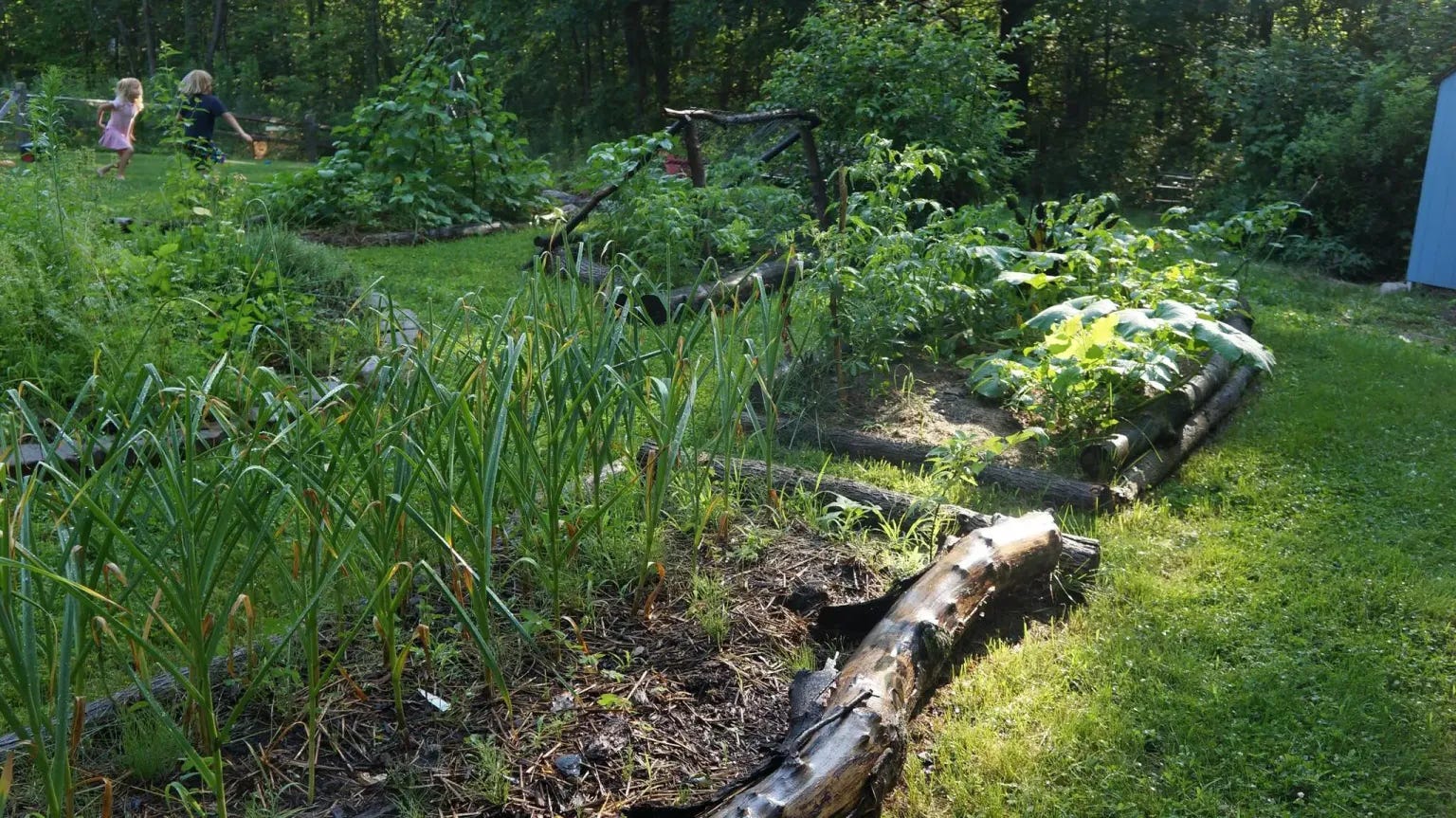
Top Tips for Planning your Homestead Garden
Setting up your Gardening Space
Site Selection
If you are starting from scratch, select a location with ample sunlight for most of the day. Most vegetables and fruit crops need at least 6 hours of sunlight a day. You should also consider where your garden is located including access to water.
Boost Your Soil
Before you even start to think about your crops for the year, start with soil health. If you grew in the same spot last year - how did you plants grow? Consider getting a soil test or adding compost to your garden.
Consider Your Garden Systems
I am all about creating systems on my homestead. Having good systems can be the difference between frustration and a successful crop. Some of the most important gardening systems are watering and weed management - before you start to plan your garden layout consider what is working and what needs improvement this year - should you invest in drip irrigation or did you hand watering work last year?
You can see more about how I create systems in my garden.
Planning Your Crops
Once you have a plan for your garden space, it’s time for the fun! This is when you get to select seeds and create a garden plan. My favorite way to do this is with good old pencil and paper. Below are a few things to consider when drawing out your garden plan for the year.
Selecting Seeds and Crops
Decide what you want to grow and resist the urge to grow everything! You will also want to decide if you plan to start seeds, direct seed or buy some seedlings. We typically do a combination of these, but you will need to decide what works best for you.
Crop Rotation
When you’re planning your garden space, consider changing the location of crops from year to year to maintain soil fertility and reduce the risk of pests and diseases. Divide your garden into sections for different plant families and rotate crops annually.
Companion Planting
Consider companion planting to enhance plant health and deter pests. Plant compatible crops next to each other to create a symbiotic relationship.
Planting Zones
Group plants with similar water and sunlight requirements together. This helps in efficient watering and management of different plant needs. You can also use permaculture techniques to help boost your plants growth - consider which plants need more water and plant them in a low lying area with plants that like less water uphill where the water will drain.
Learn More about Planning your Homestead Garden
Read up on our Growing Guides
Things I’m loving this week on the Homestead
I’m getting ready to do some cheese-making in the next few weeks and have been reading up on my favorite cheese making book. It’s been a few years since I made cheese - which I used to do every week so I’m happy to get back into it!